Cybersecurity & Assurance 4 min read
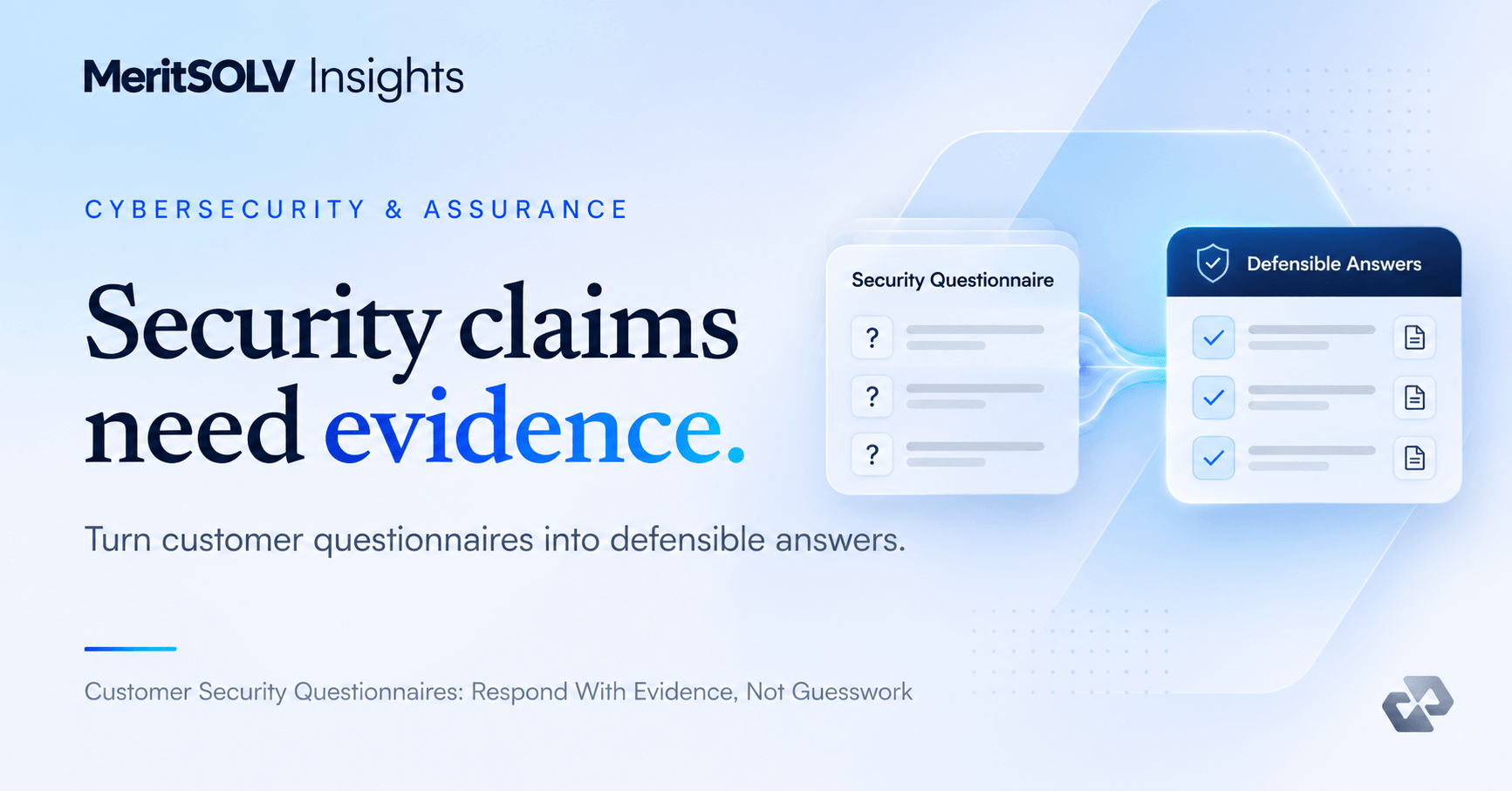
Customer Security Questionnaires: Respond With Evidence, Not Guesswork
Respond to customer security questionnaires with approved claims, evidence links, owners, and explicit qualifications.
Read the guide

Practical field guides, checklists, and decision frameworks for the teams responsible for getting complex work done.
24 guides
Respond to customer security questionnaires with approved claims, evidence links, owners, and explicit qualifications.
Read the guide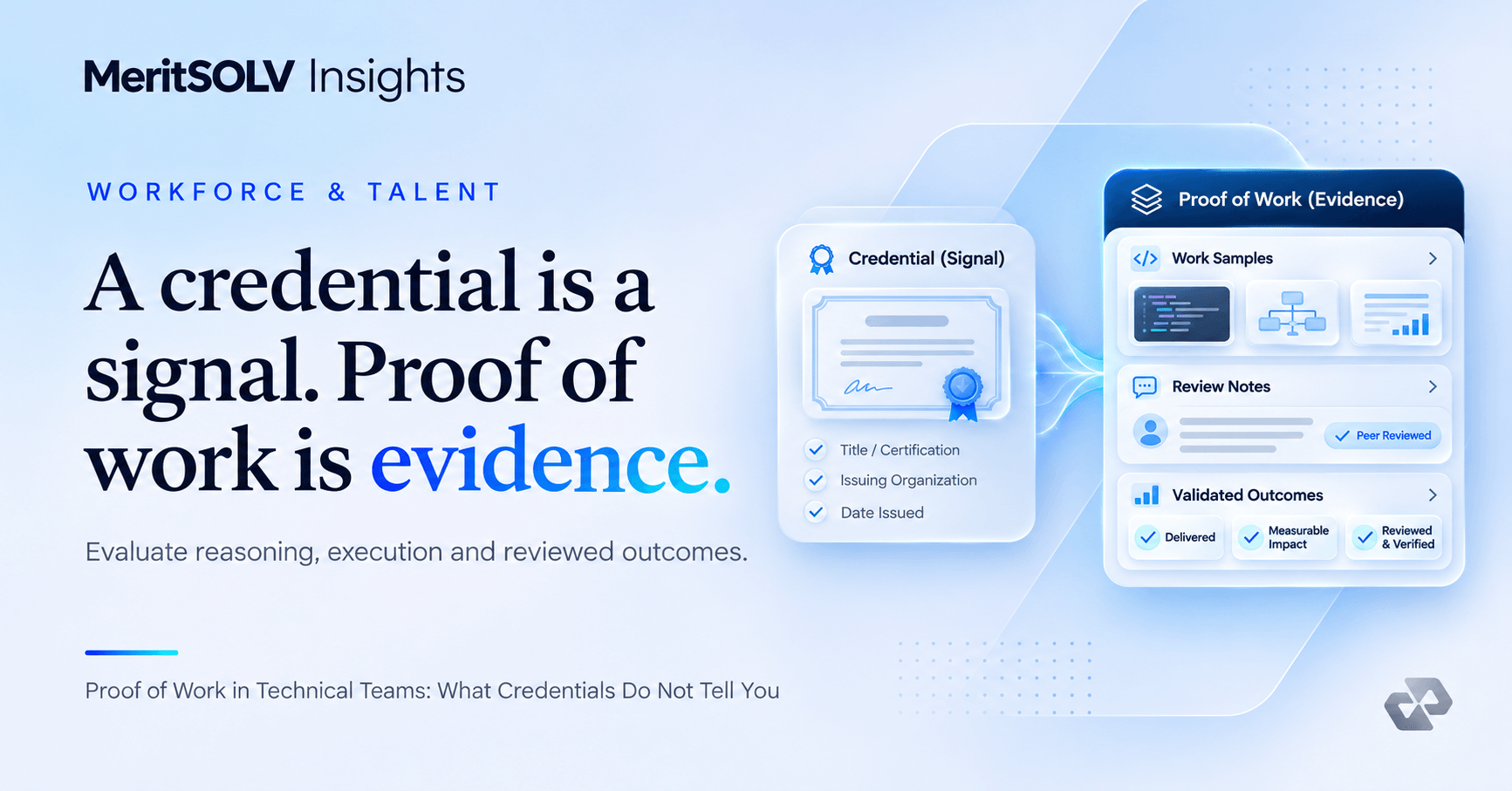
Assess technical professionals with responsible work samples, decision trails, and task-based evidence beyond certifications.
Read the guide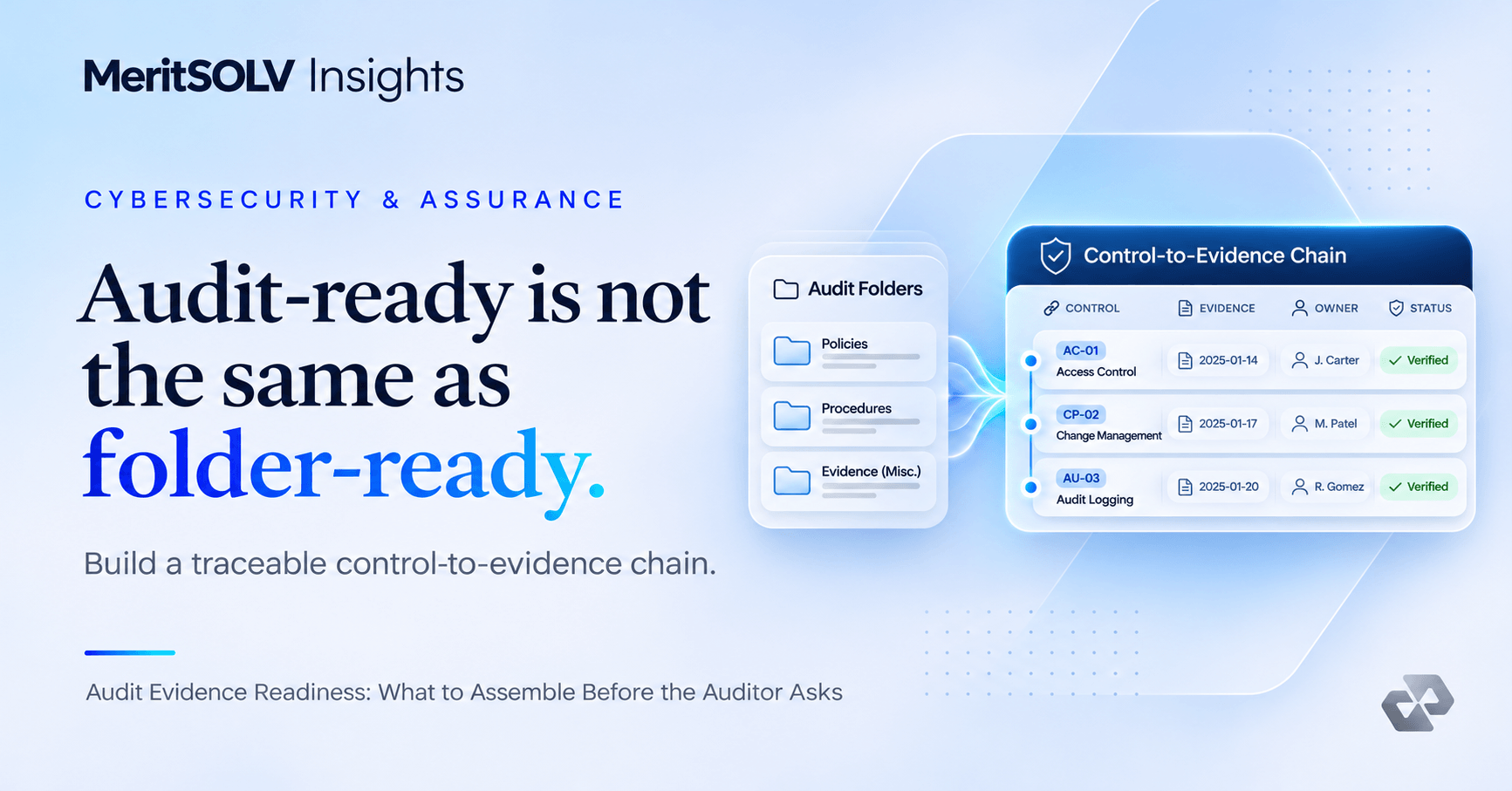
Build audit-ready evidence with control owners, dated populations, approvals, and closed-loop exception tracking.
Read the guide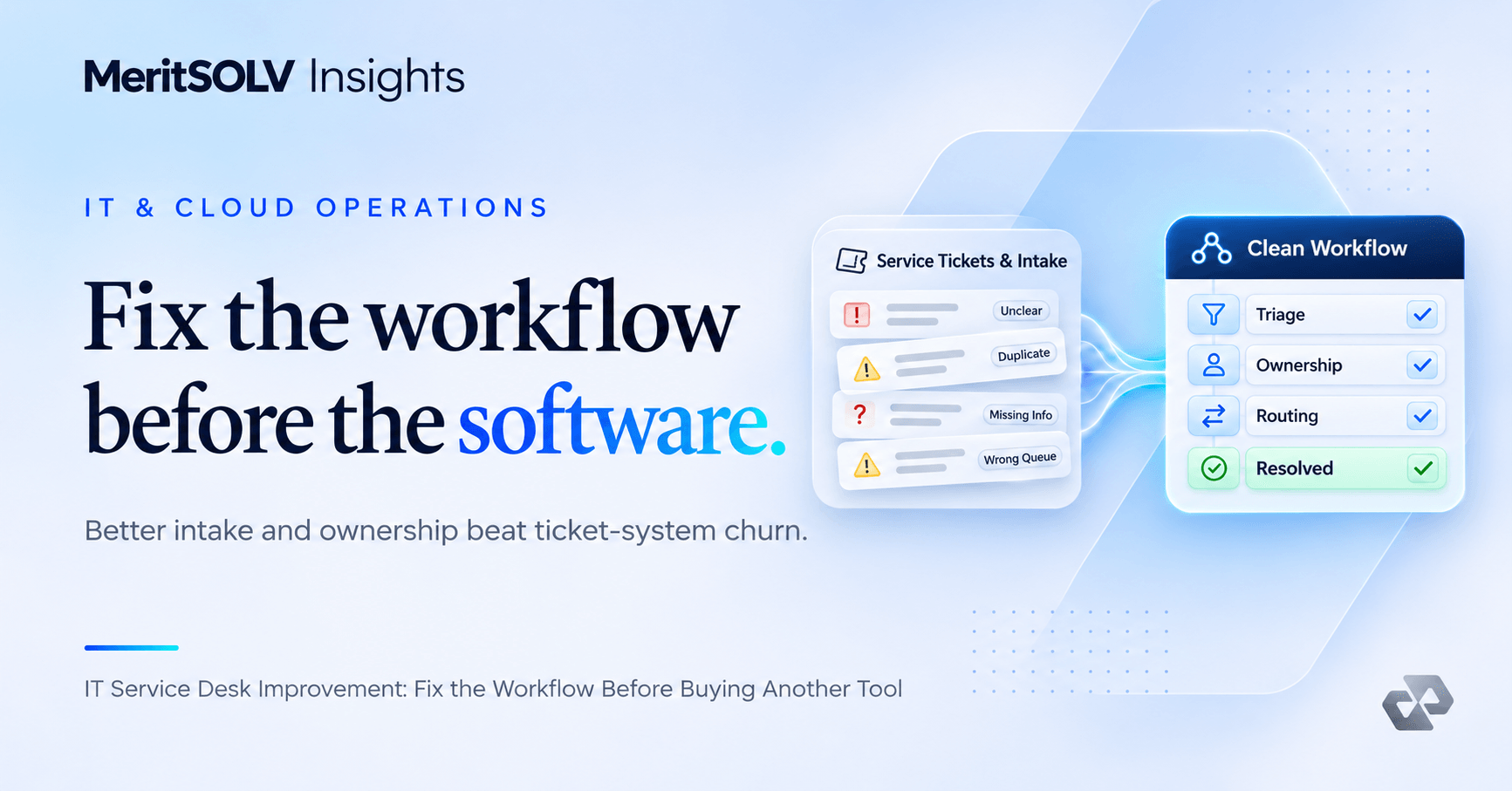
Improve IT service desk outcomes by examining handoffs, ticket aging, reassignments, and workflow bottlenecks.
Read the guide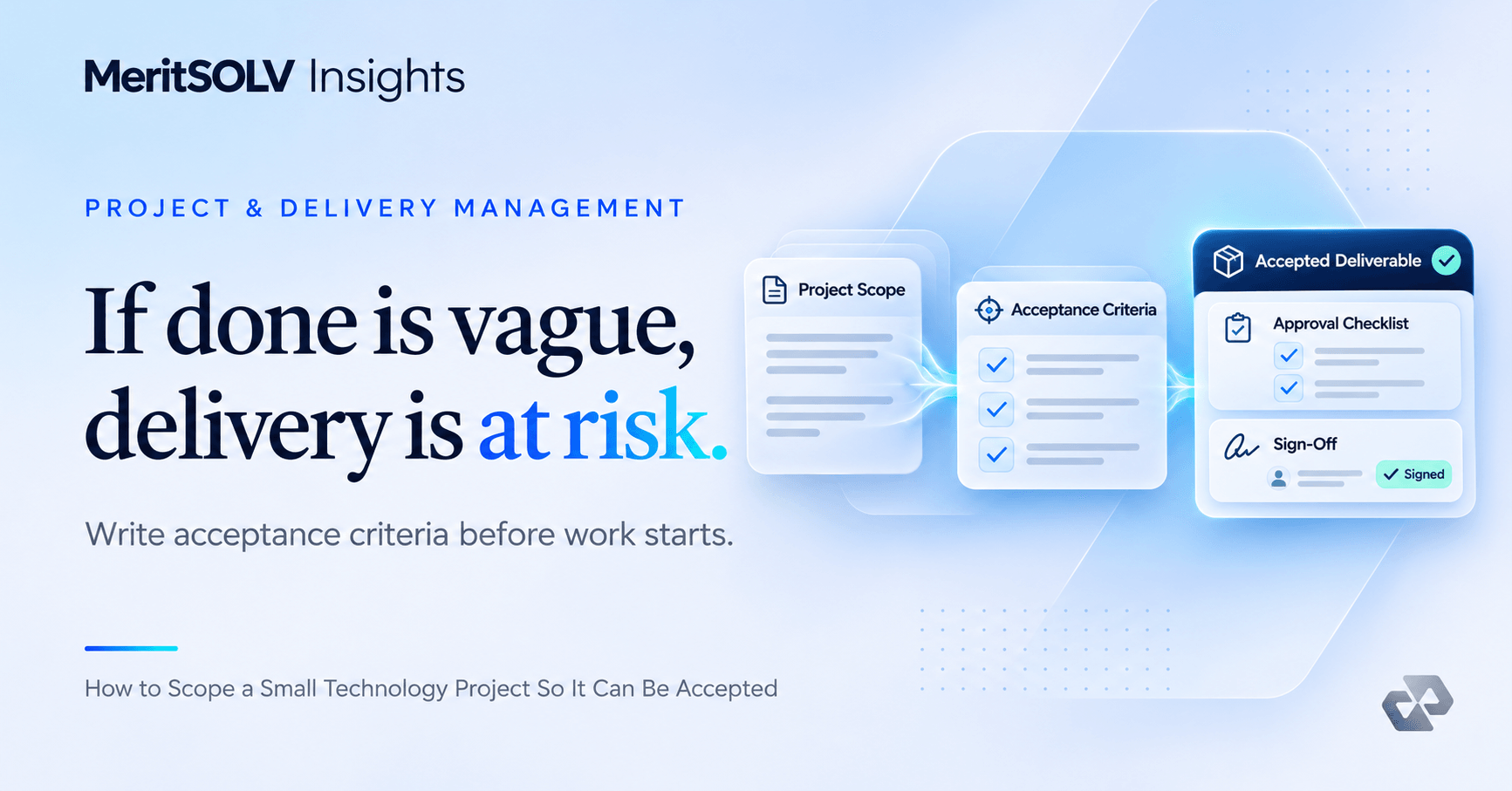
Turn vague technology work into a scoped, testable statement of work with clear inputs, exclusions, and acceptance criteria.
Read the guide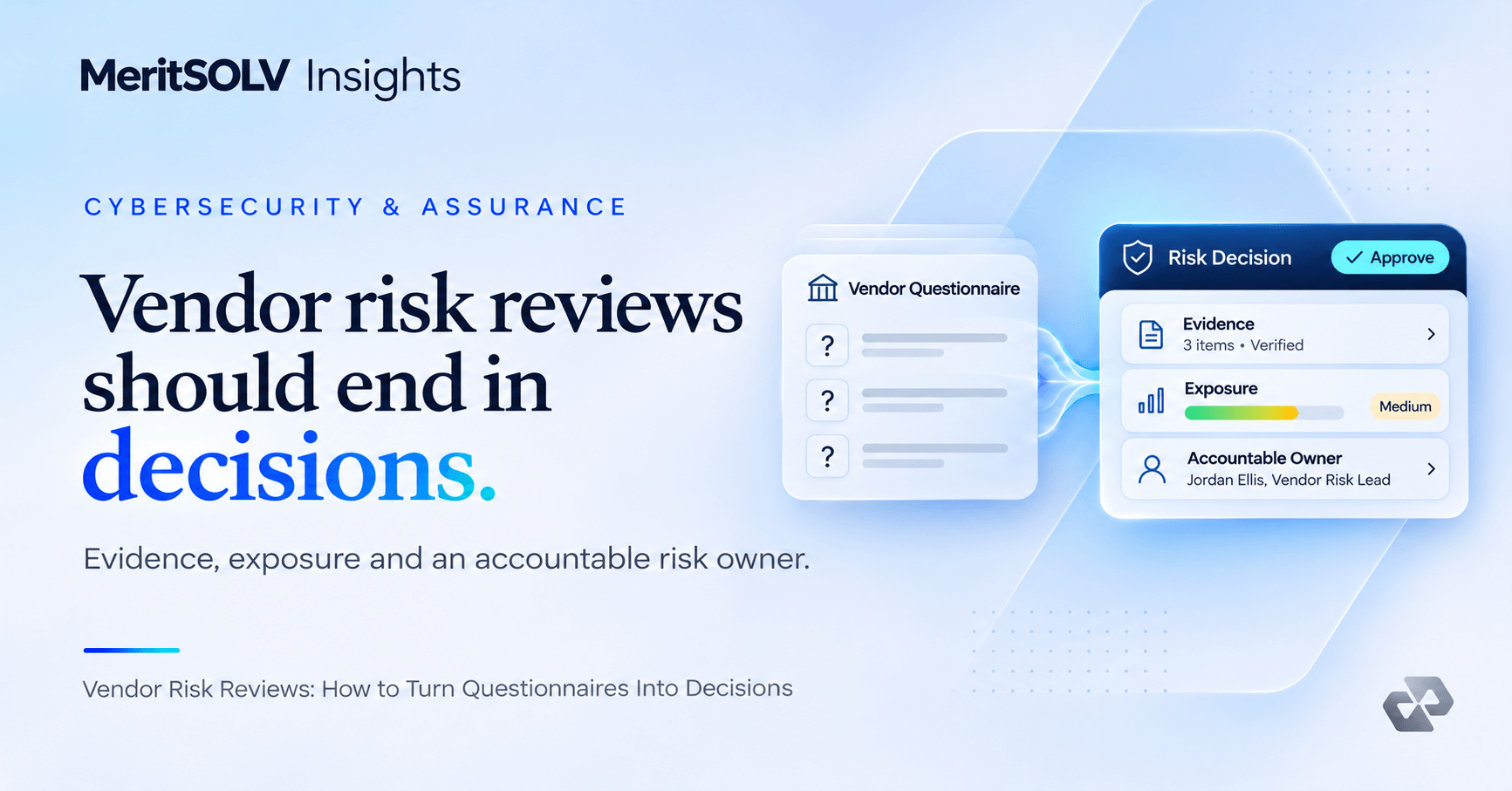
Evaluate vendor risk with evidence-backed decision gates, data-flow questions, and a recorded residual-risk owner.
Read the guide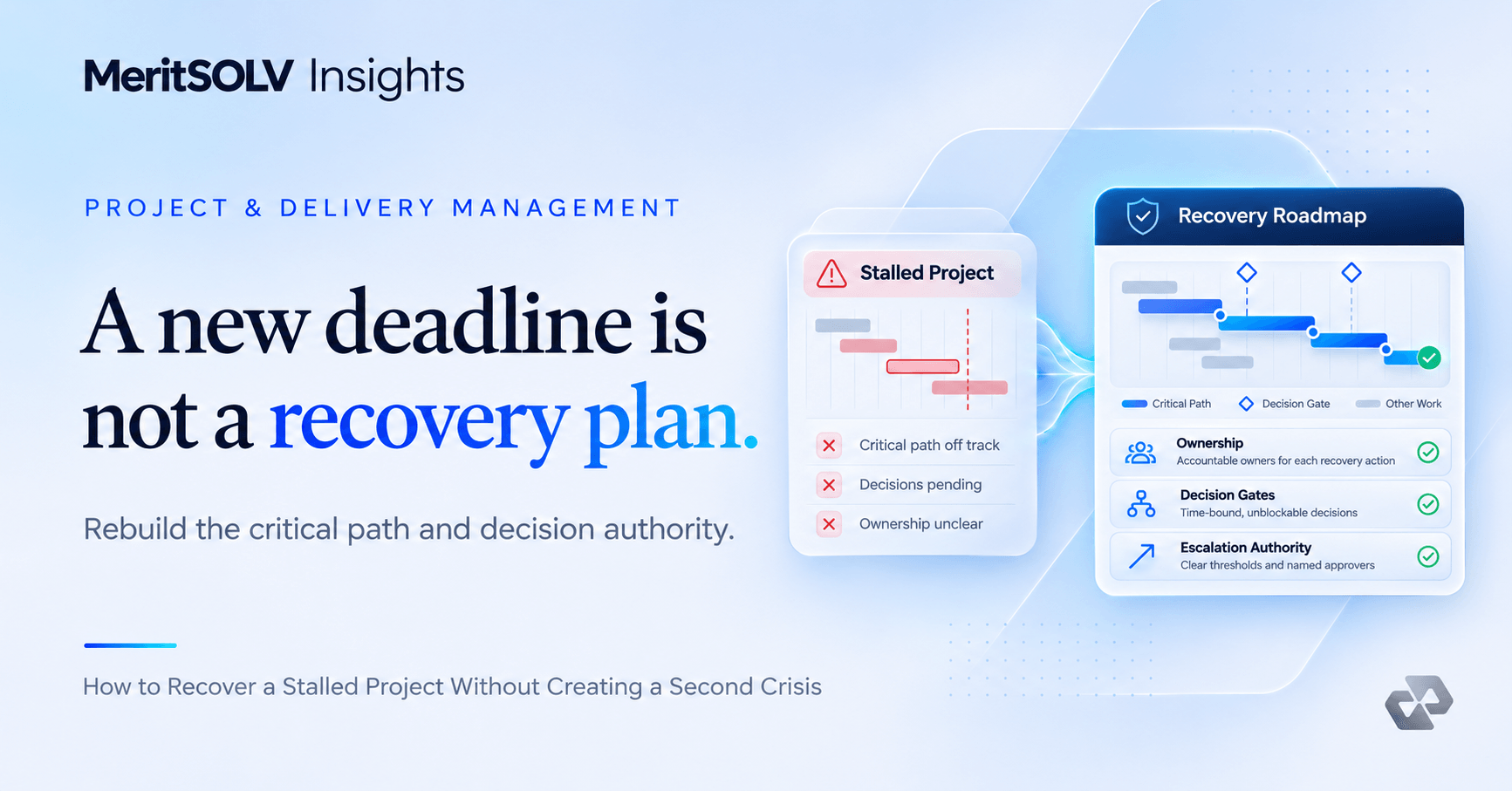
Rebaseline a stalled project through dependencies, critical-path review, sponsor decisions, and a ten-day recovery plan.
Read the guide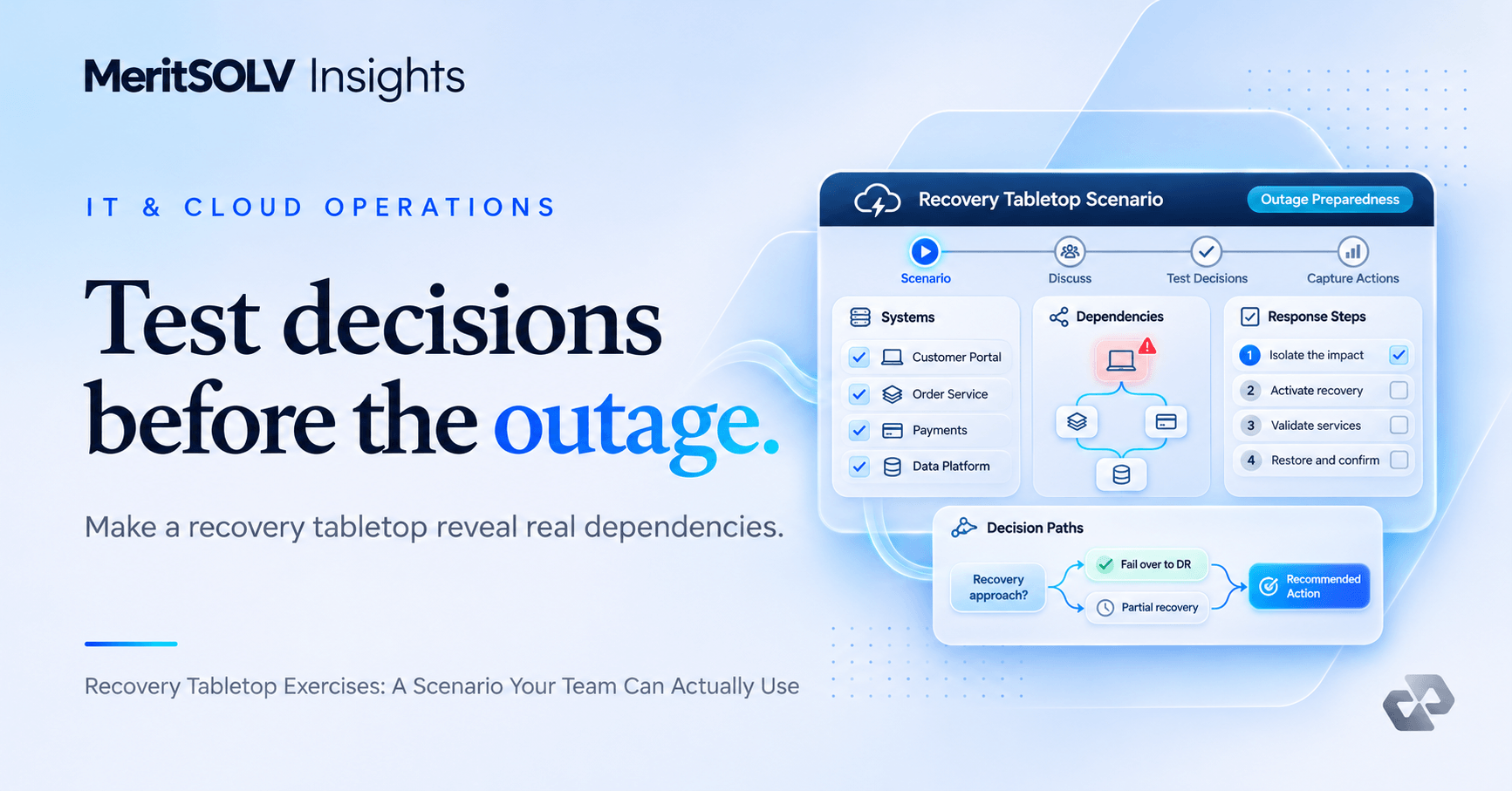
Facilitate a realistic incident-recovery tabletop with timed injects, decision logs, and measurable after-action steps.
Read the guide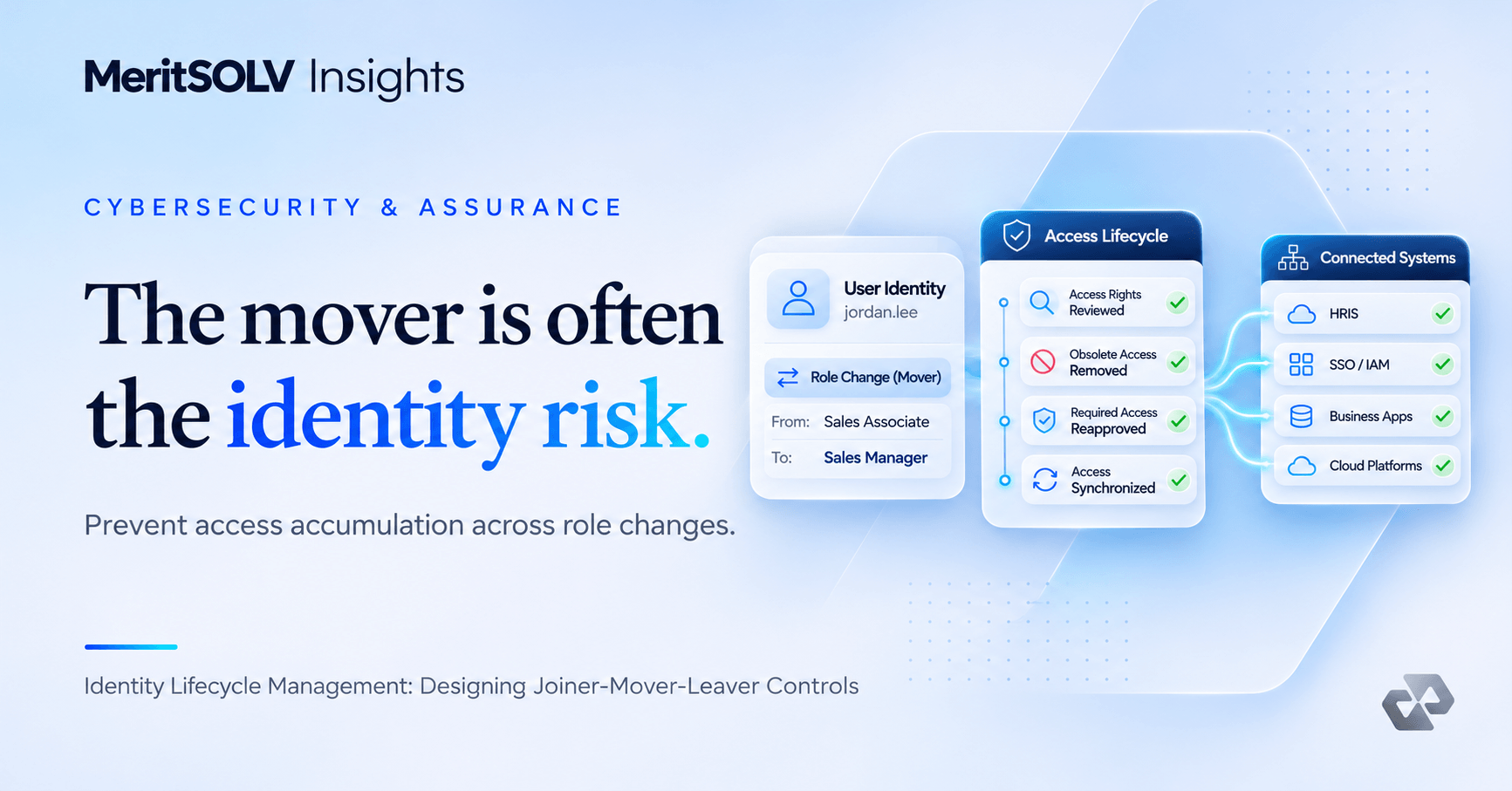
Design joiner-mover-leaver controls that prevent privilege drift and document identity lifecycle exceptions.
Read the guide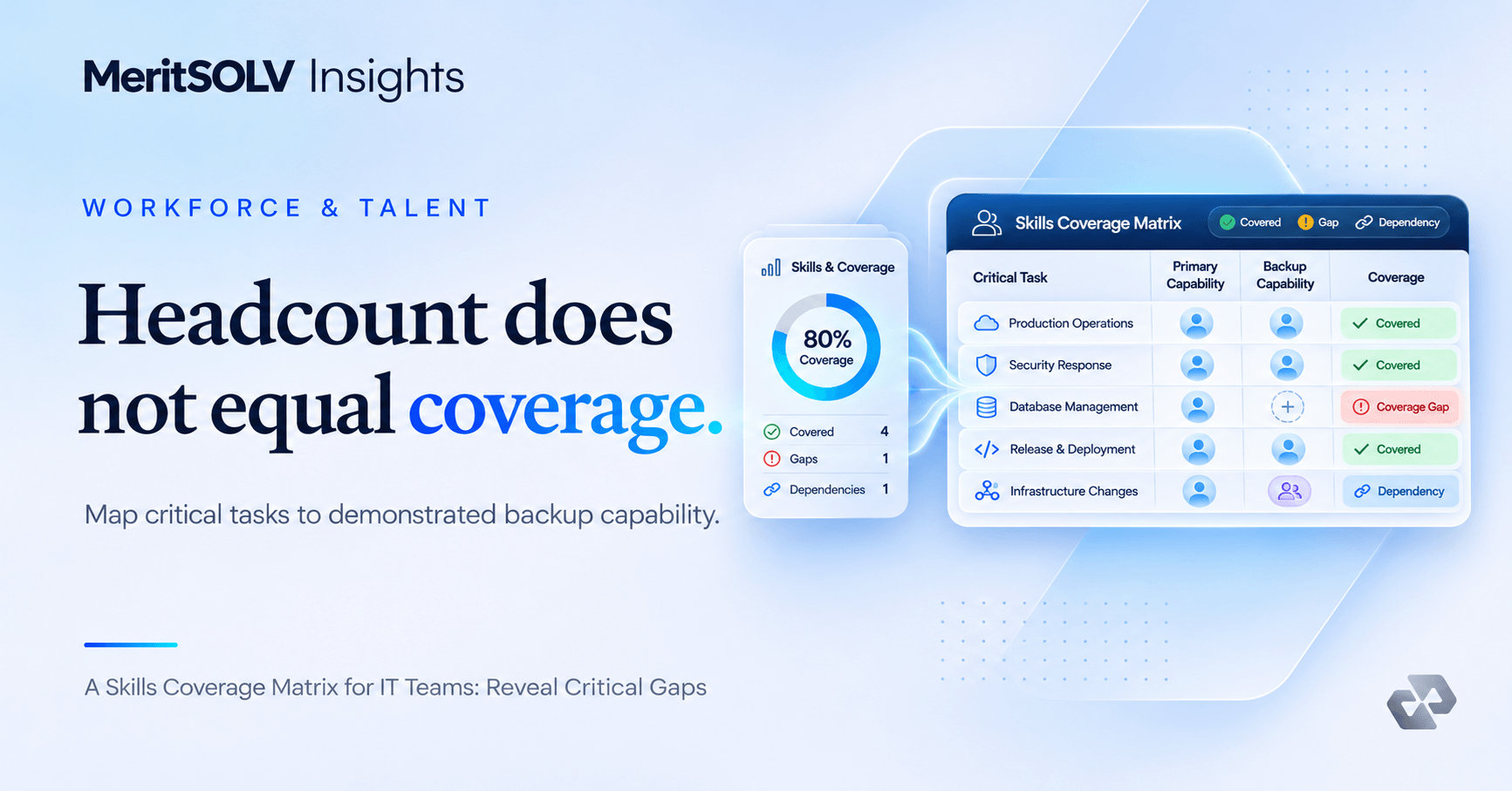
Build an IT skills-coverage matrix based on demonstrated tasks, backup staffing, and operational resilience.
Read the guide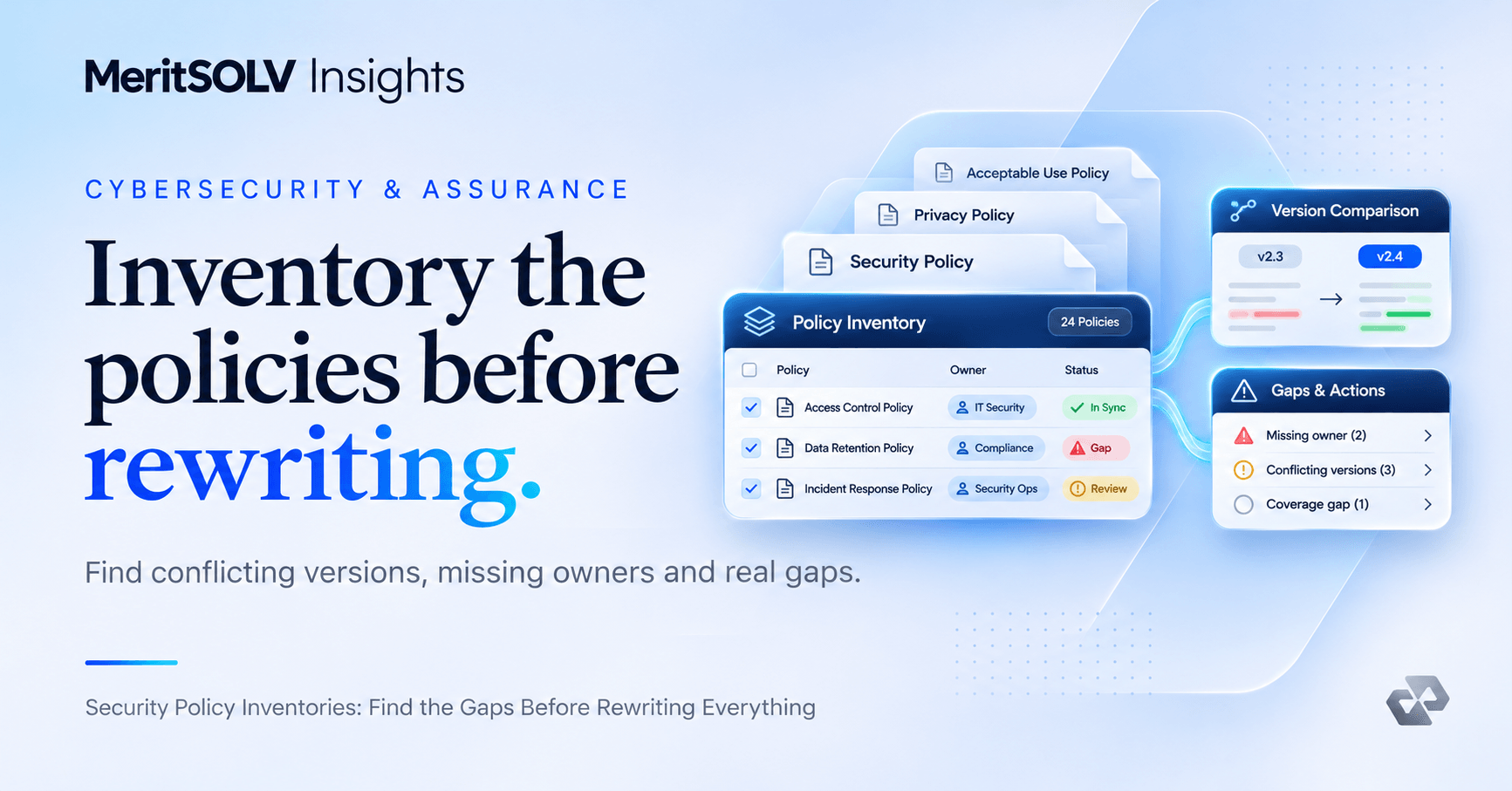
Map existing security policies, identify conflicting versions, and separate documentation gaps from control failures.
Read the guide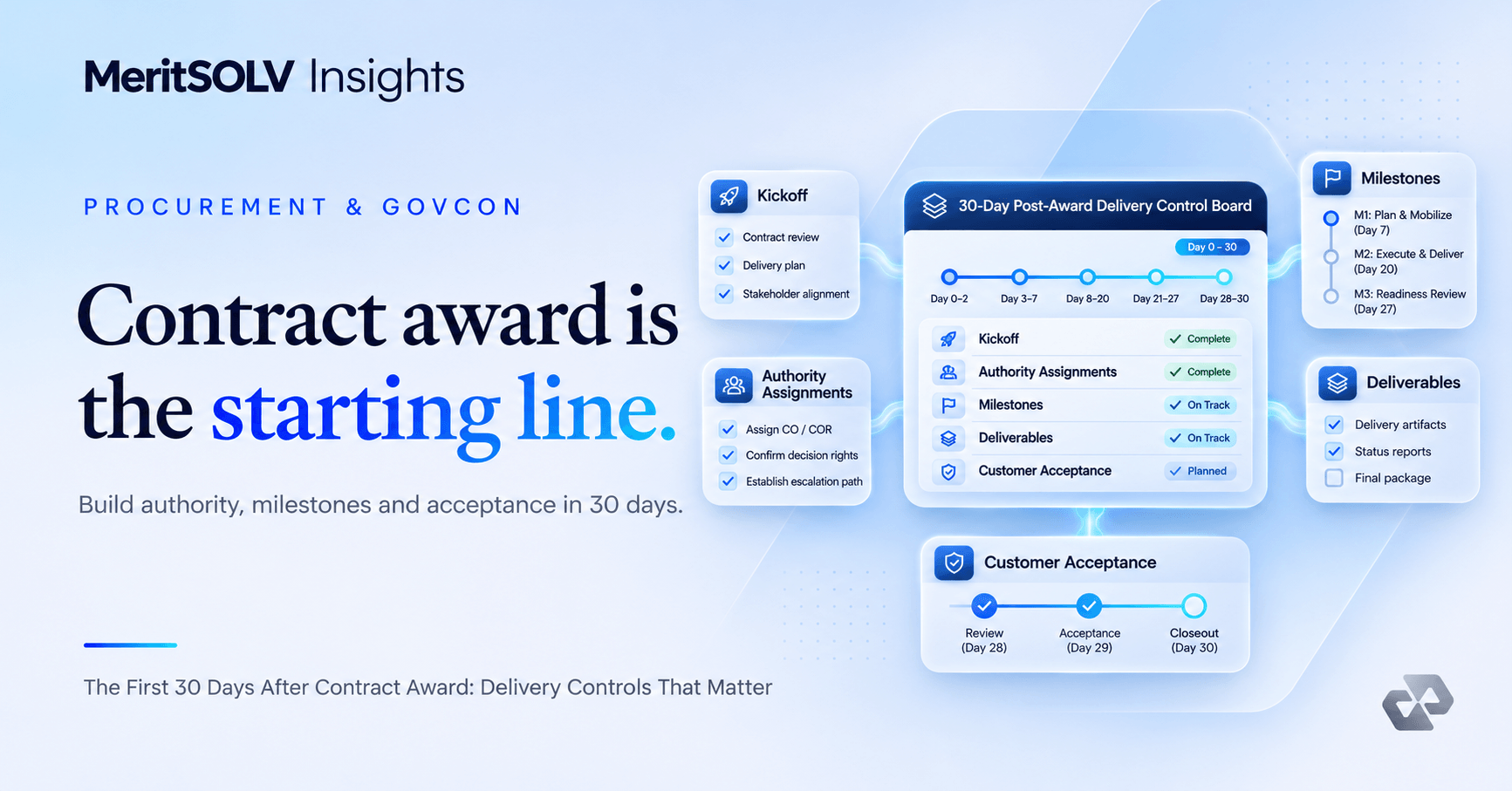
Organize the first 30 days after contract award with milestone controls, authority boundaries, and documented acceptance.
Read the guide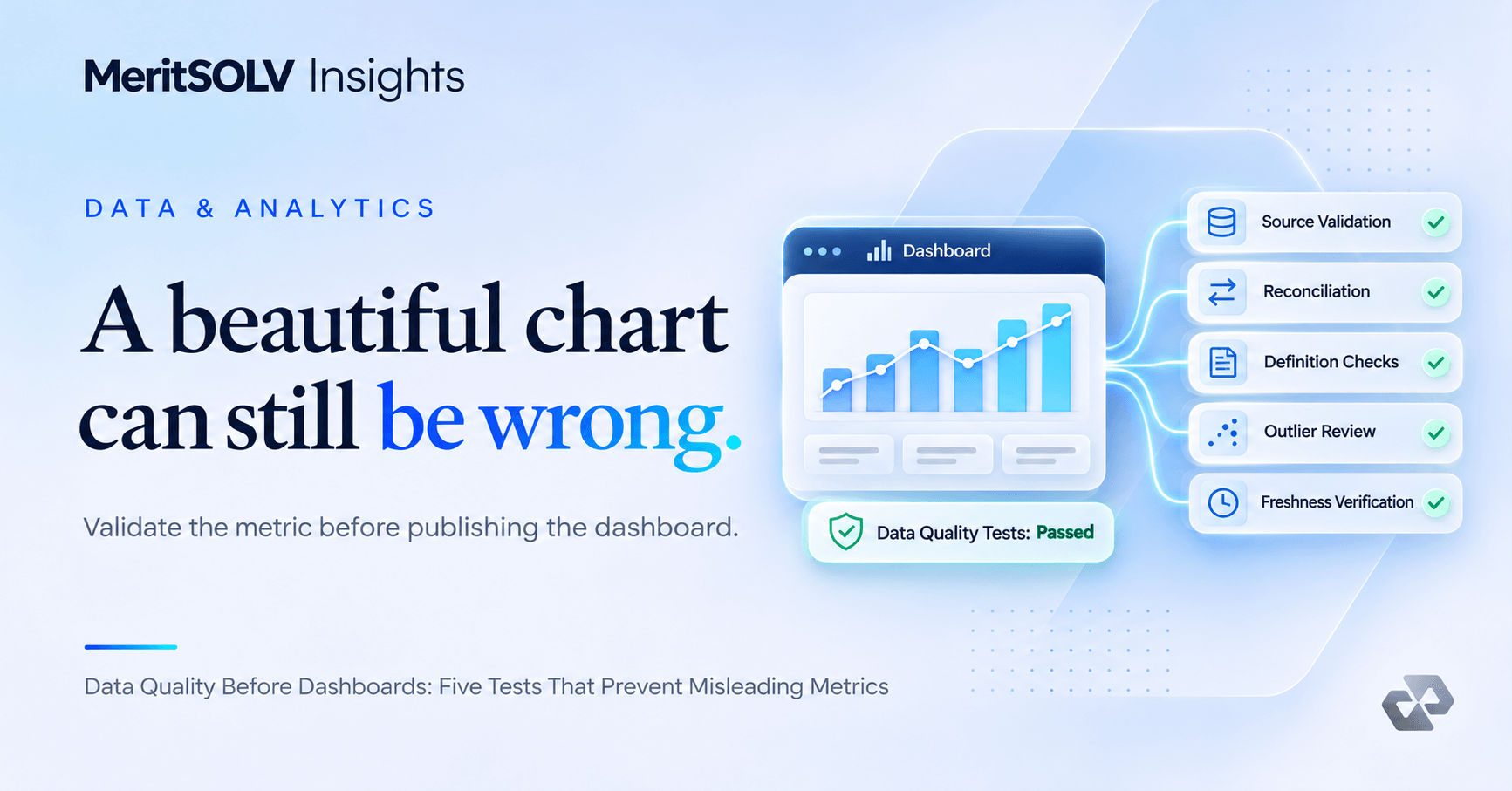
Test metric completeness, uniqueness, timeliness, validity, and reconciliation before publishing business dashboards.
Read the guide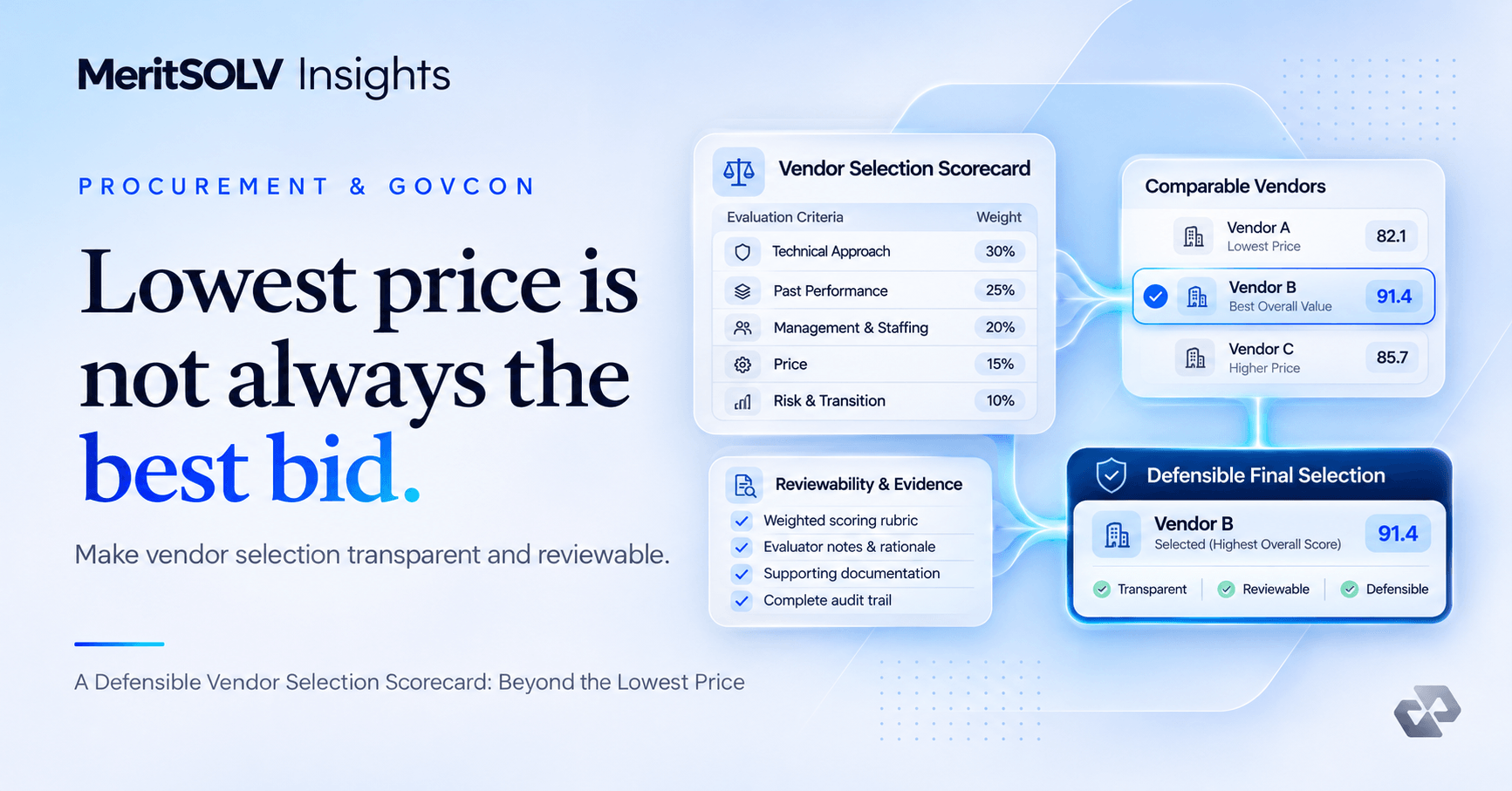
Create transparent vendor-selection scorecards with qualification gates, weighted criteria, and documented evaluator evidence.
Read the guide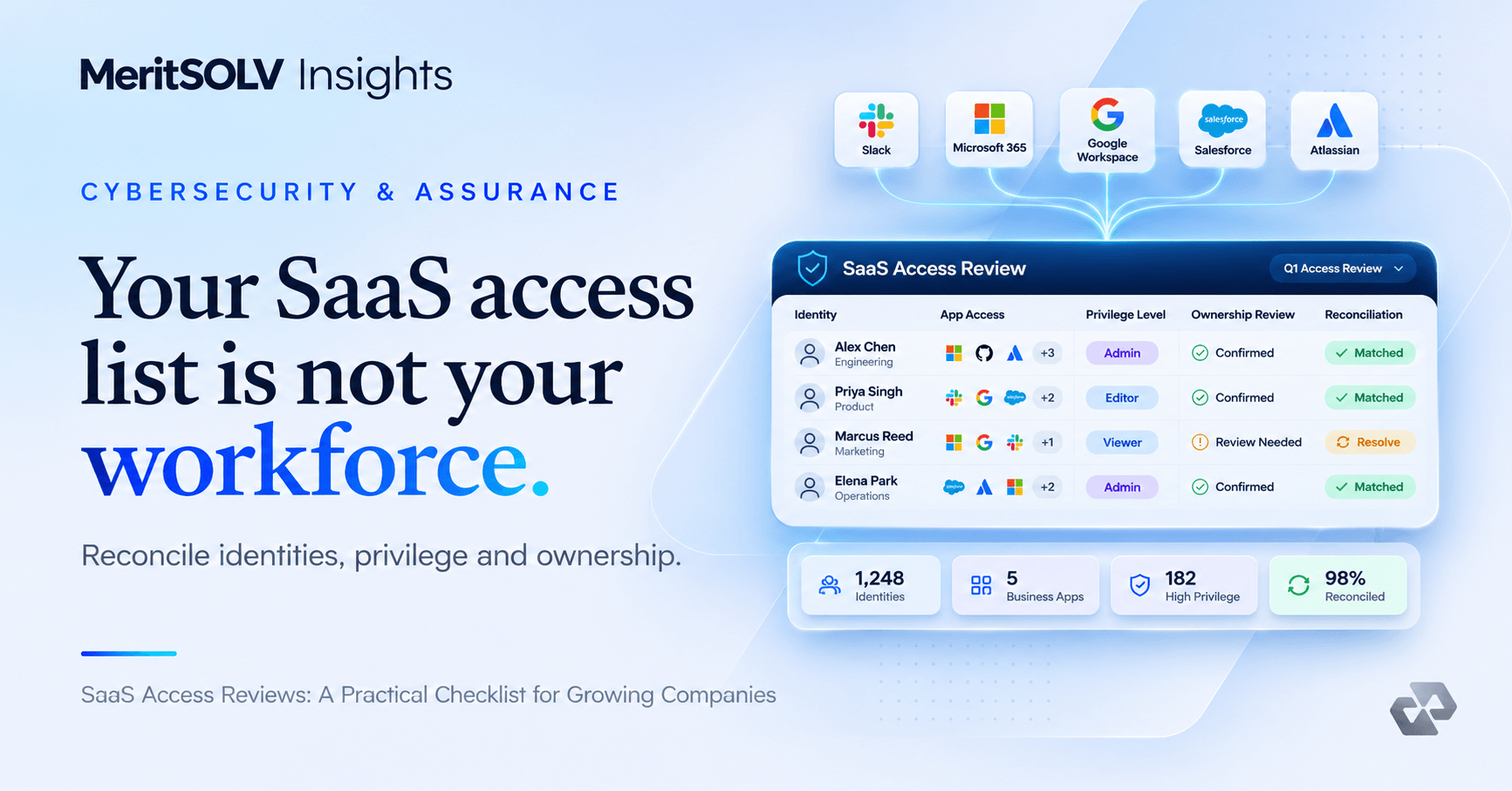
Audit SaaS access across HR, identity systems, and applications. Use an exception queue and defensible access-review evidence.
Read the guide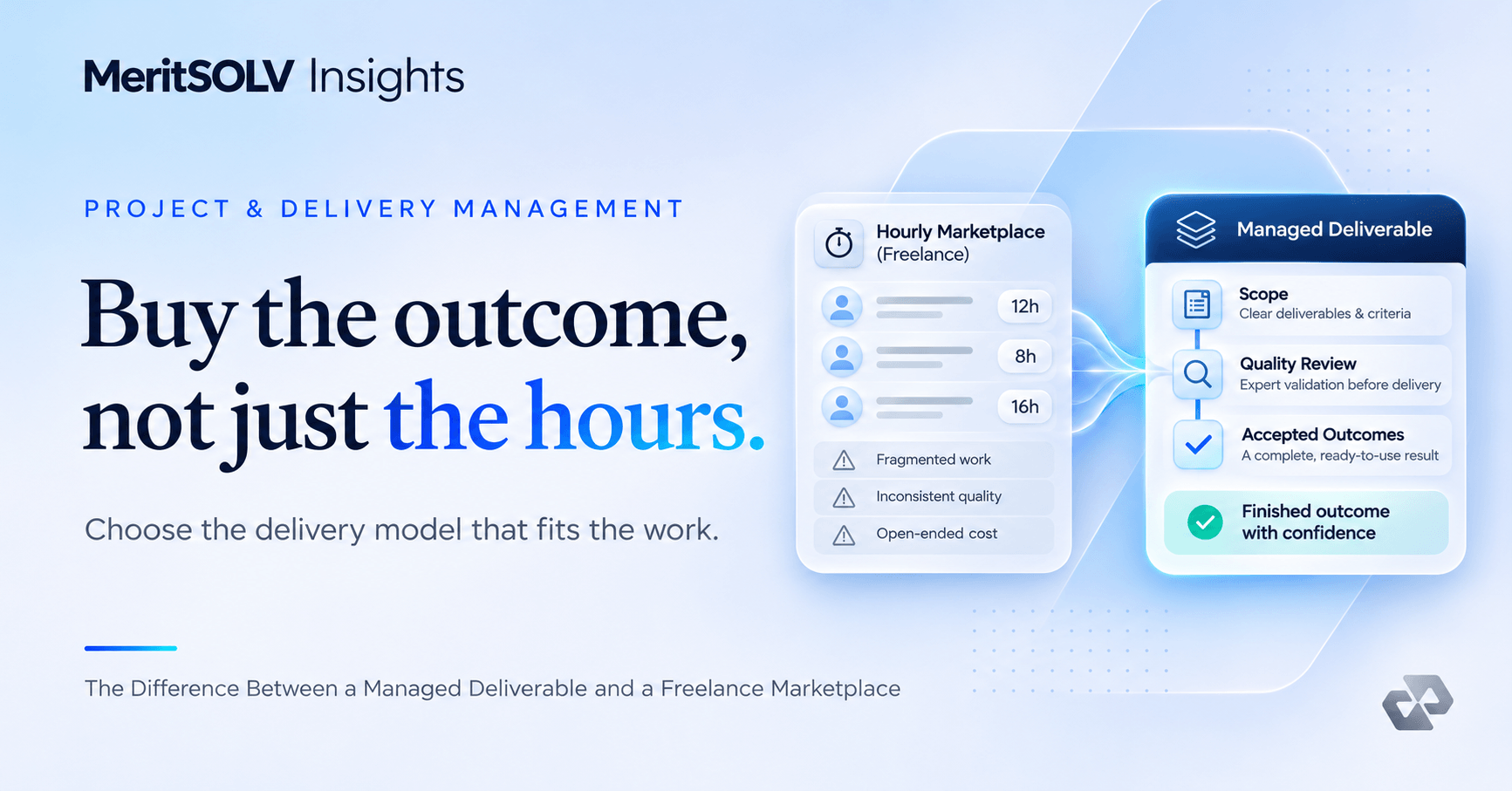
Compare managed deliverables and independent contractors using scope, quality review, coordination burden, and acceptance.
Read the guide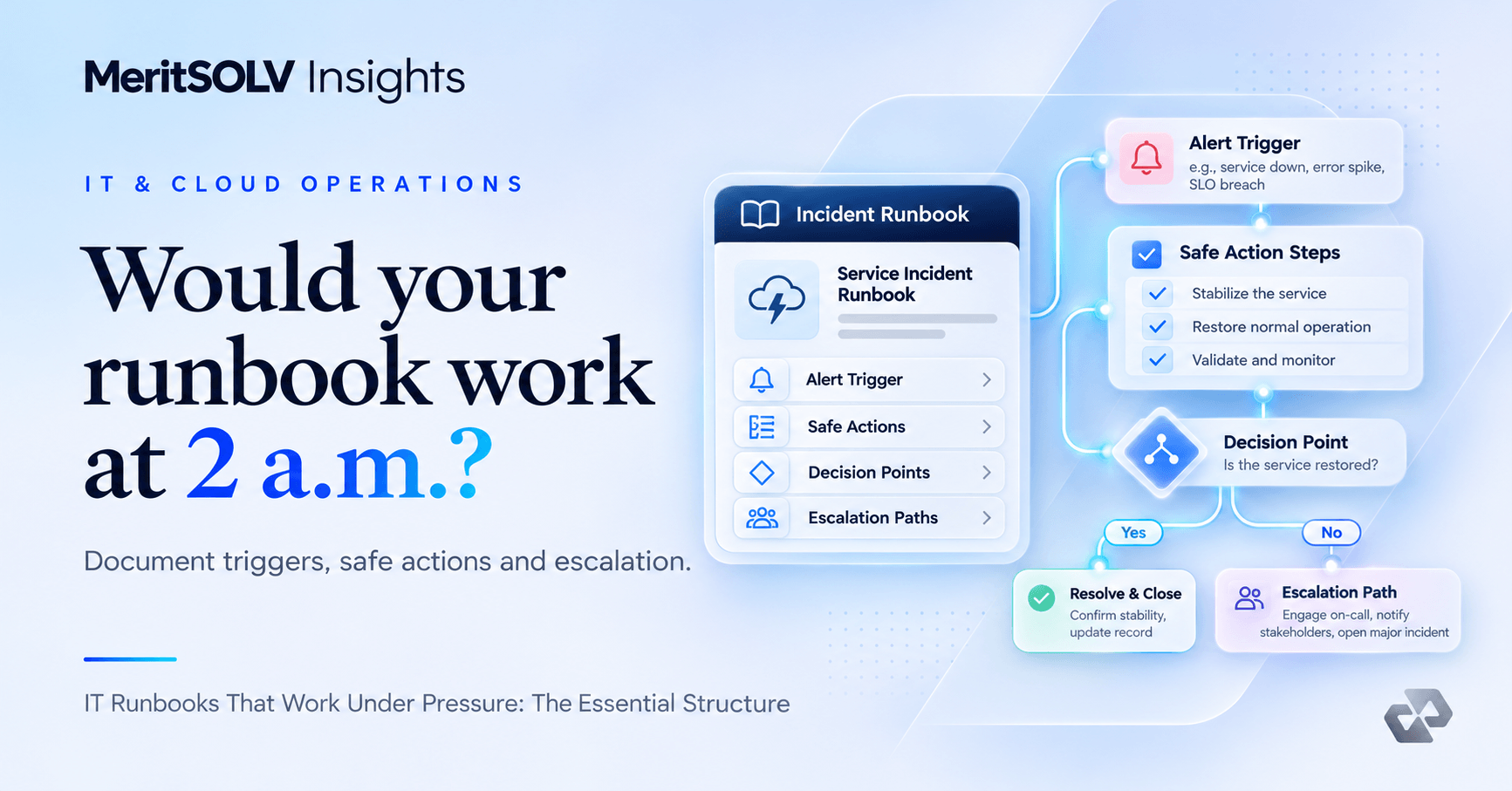
Write operational IT runbooks that engineers can follow safely under pressure, with escalation, rollback, and ownership.
Read the guide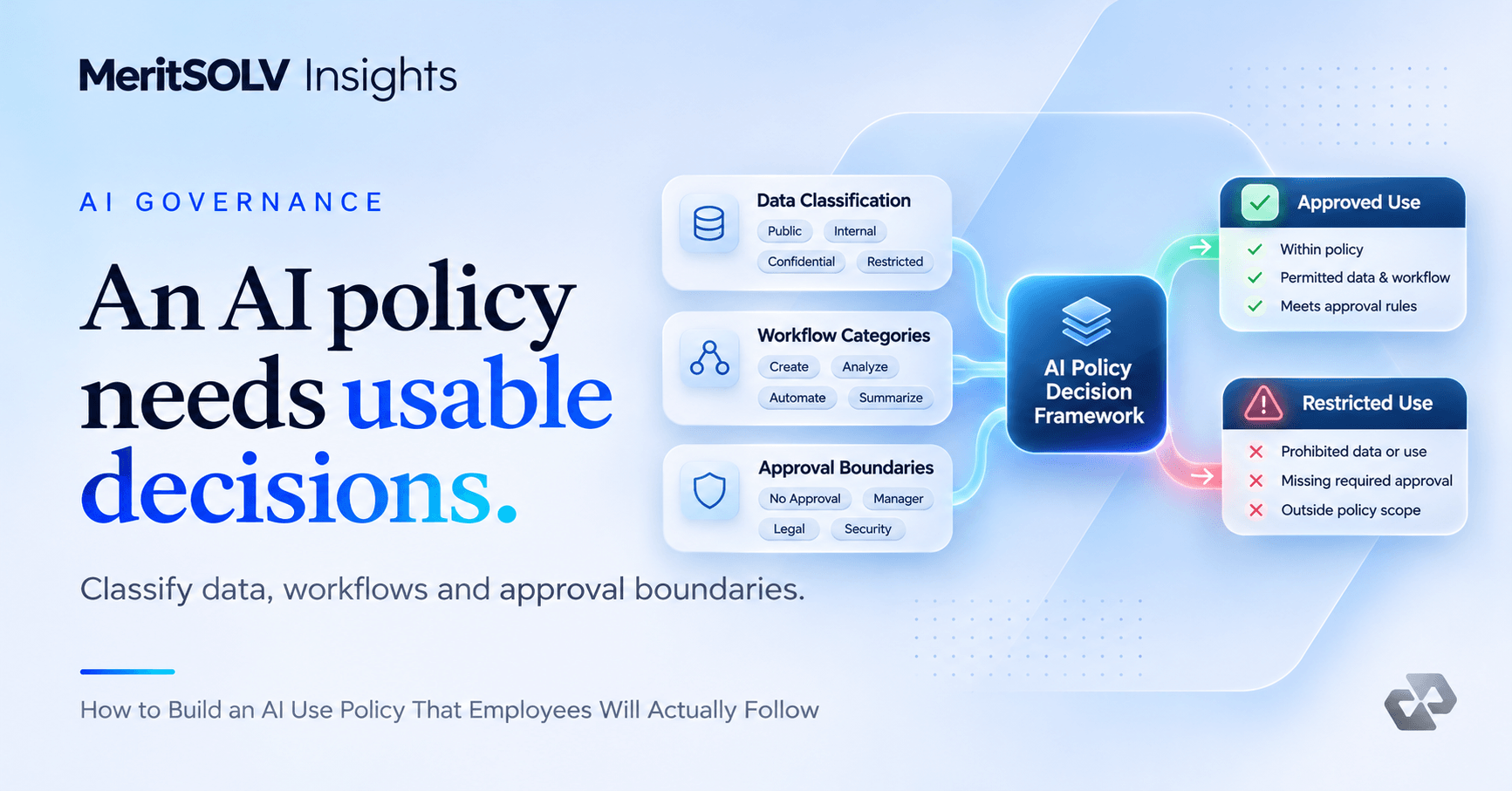
Design an AI acceptable-use policy people can follow, with data classes, approval gates, exceptions, and a practical use-case register.
Read the guide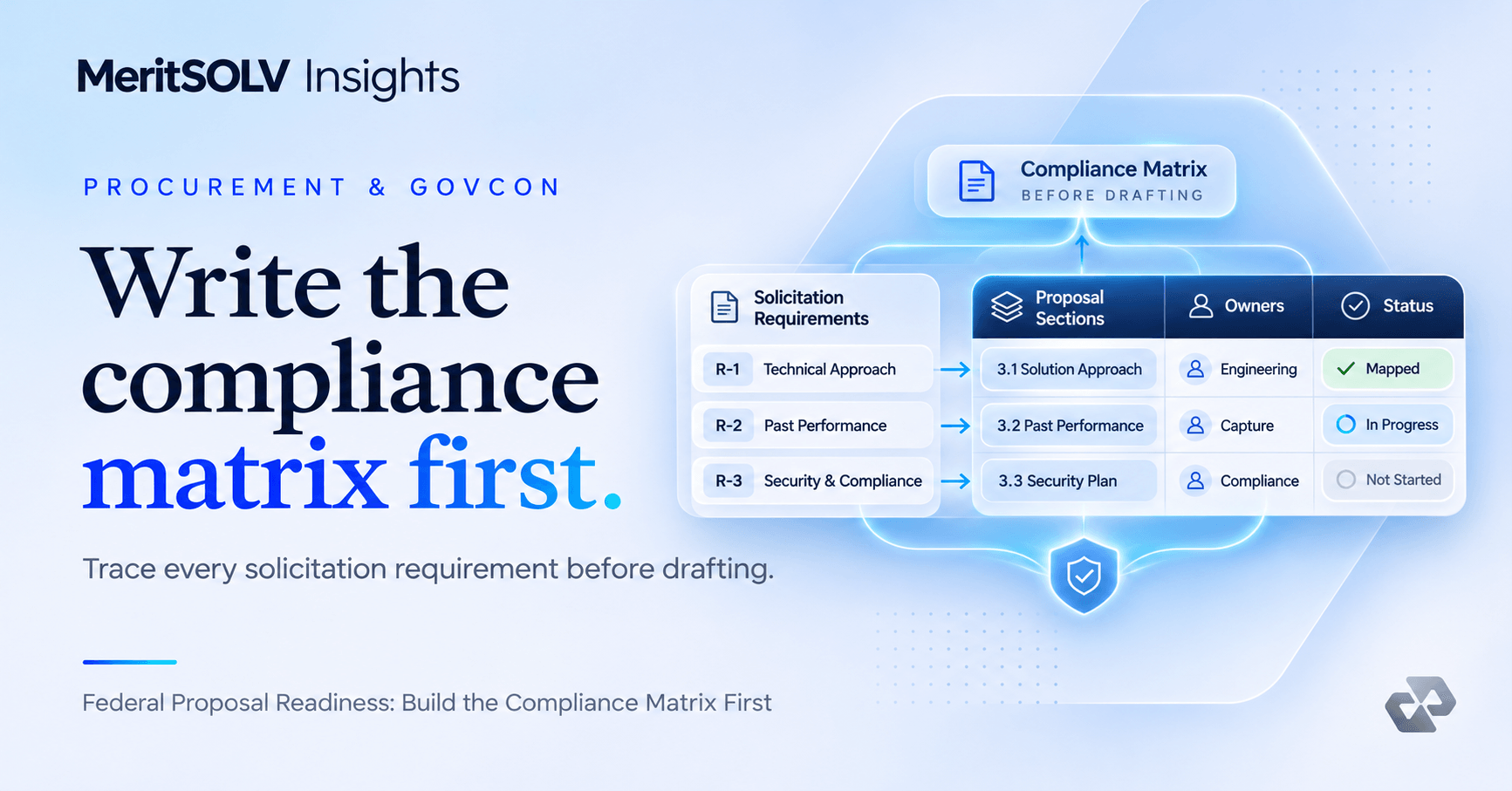
Build a federal proposal compliance matrix before writing, using solicitation sections, amendments, and response ownership.
Read the guide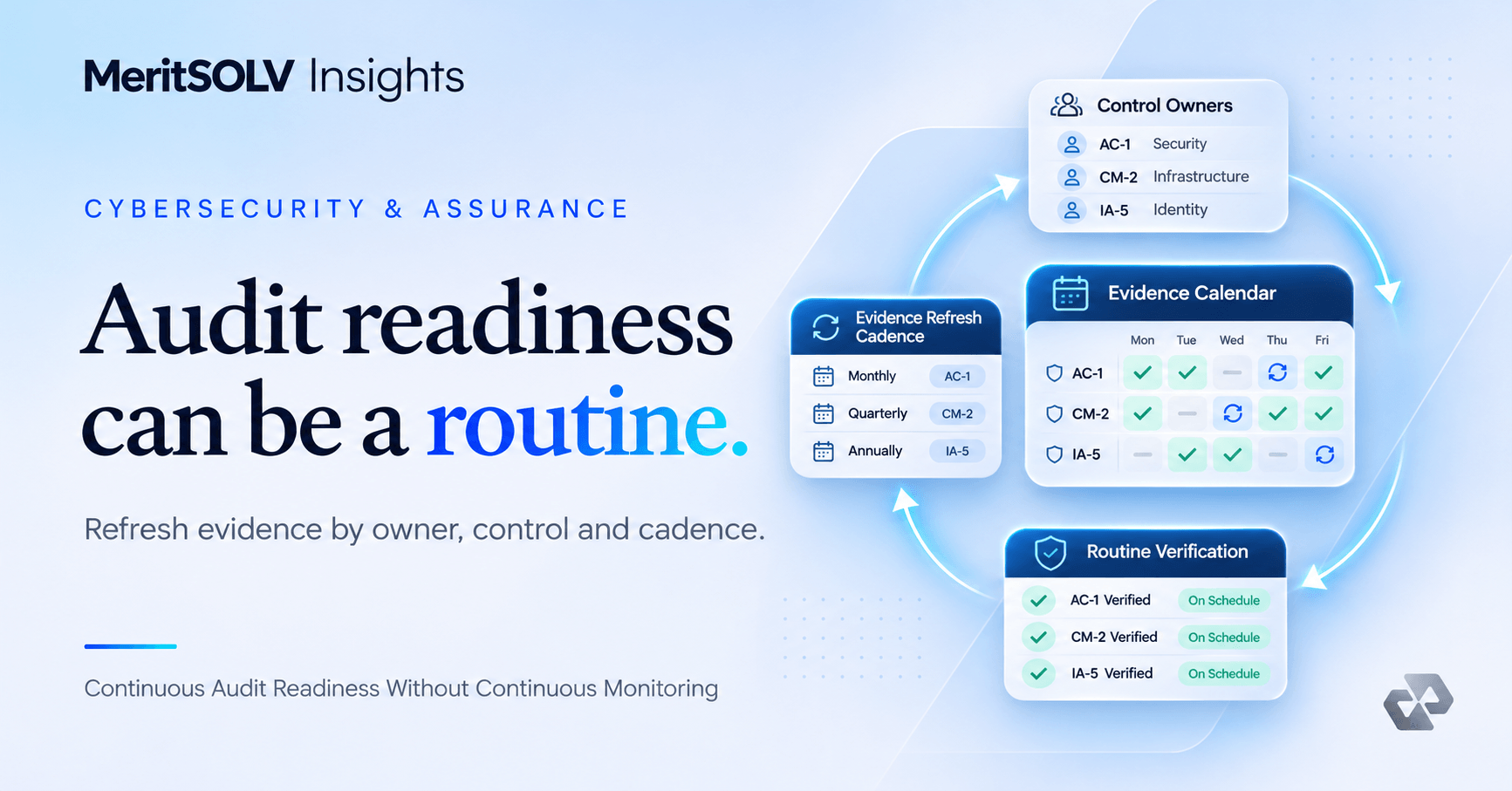
Maintain accessible audit evidence throughout the year without confusing readiness with continuous monitoring.
Read the guide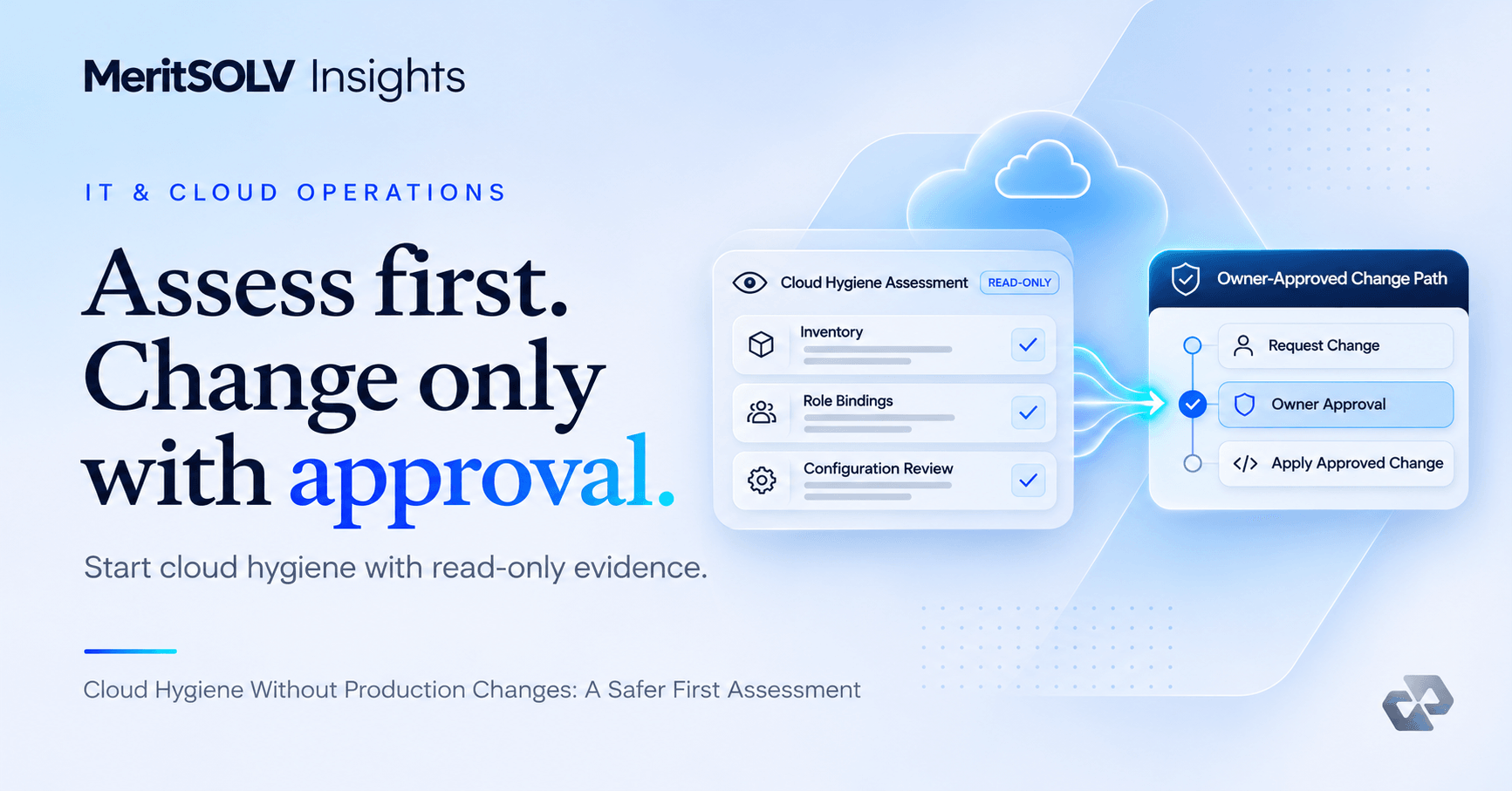
Run a safer, scoped cloud hygiene assessment using read-only evidence, explicit account boundaries, and validated findings.
Read the guide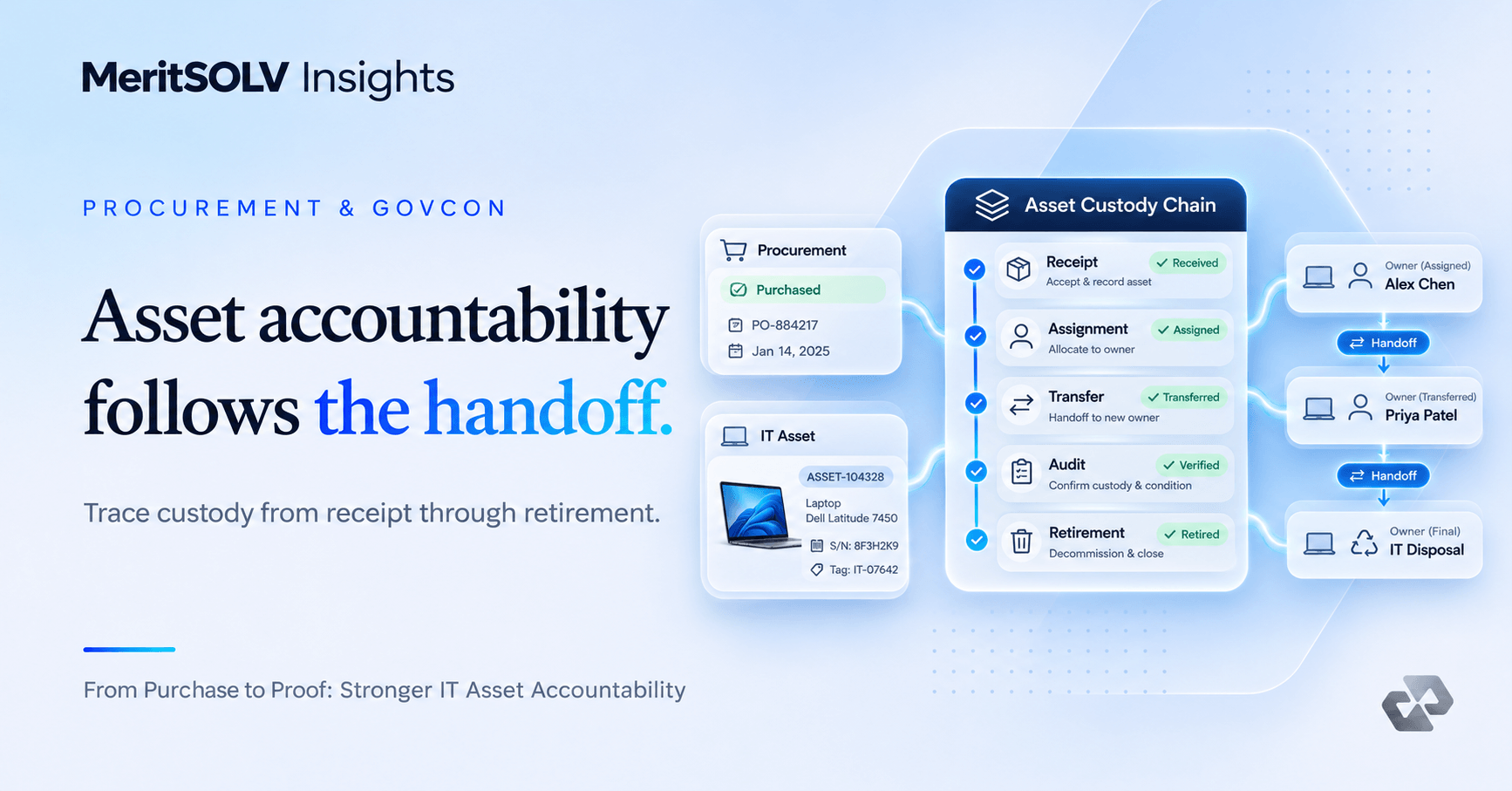
Strengthen IT asset accountability across receipt, provisioning, transfer, reconciliation, and retirement.
Read the guide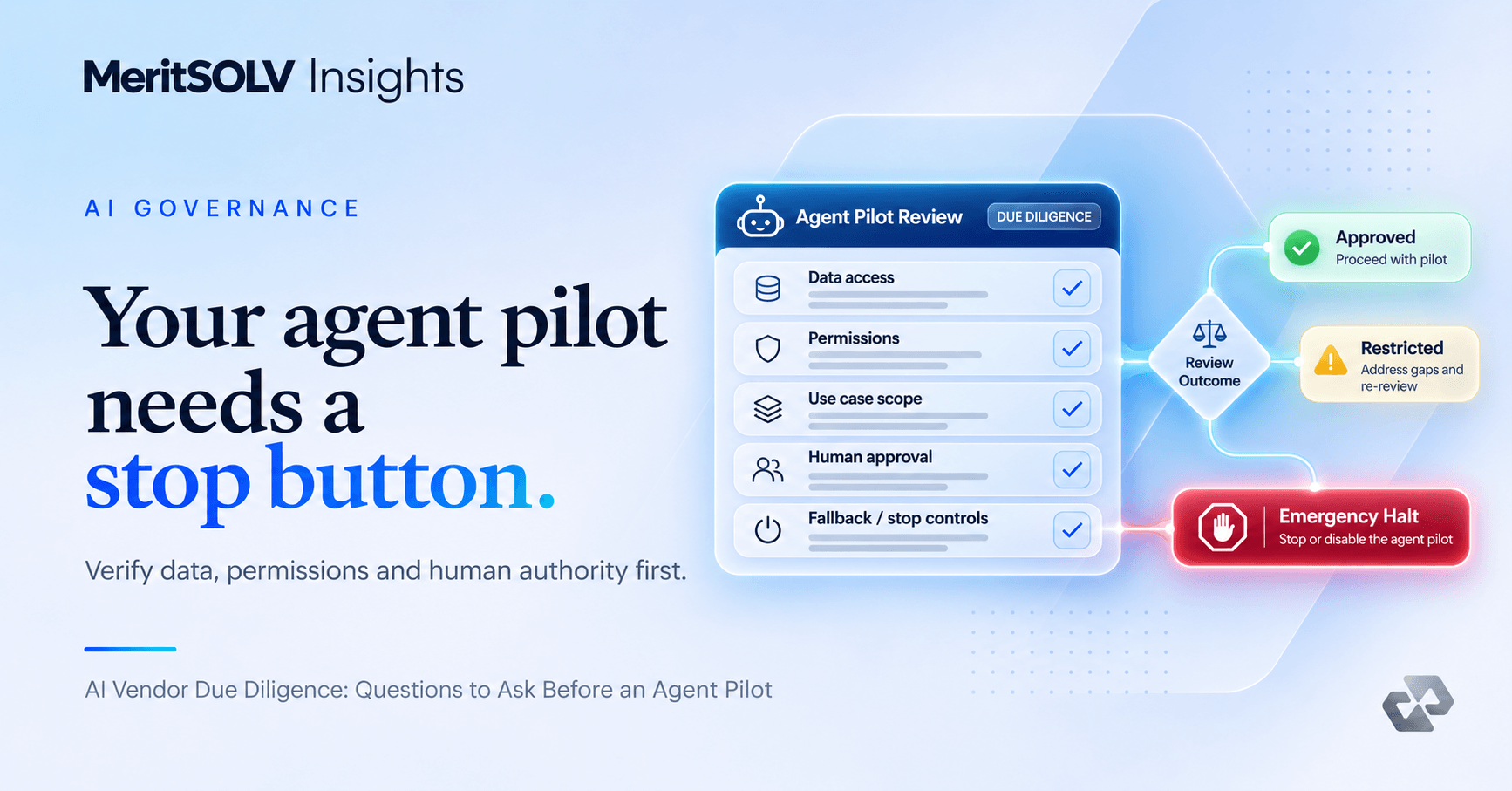
Assess AI-agent vendors with data safeguards, action permissions, human oversight, test cases, and pilot stop conditions.
Read the guide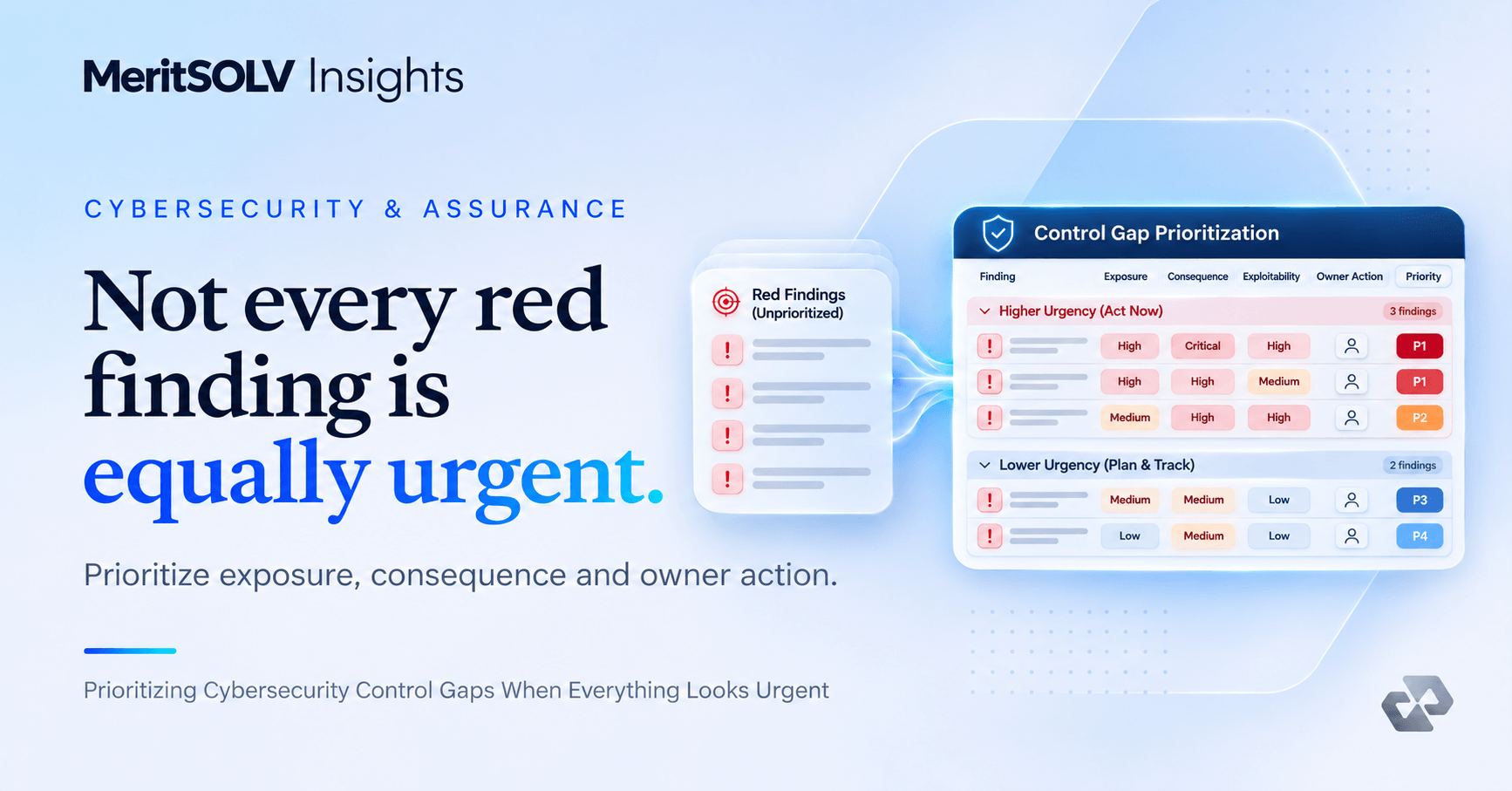
Prioritize cybersecurity control gaps using exposure, criticality, compensating controls, and decision ownership.
Read the guideExplore defined solutions, delivery boundaries, and what a useful first engagement should produce.